

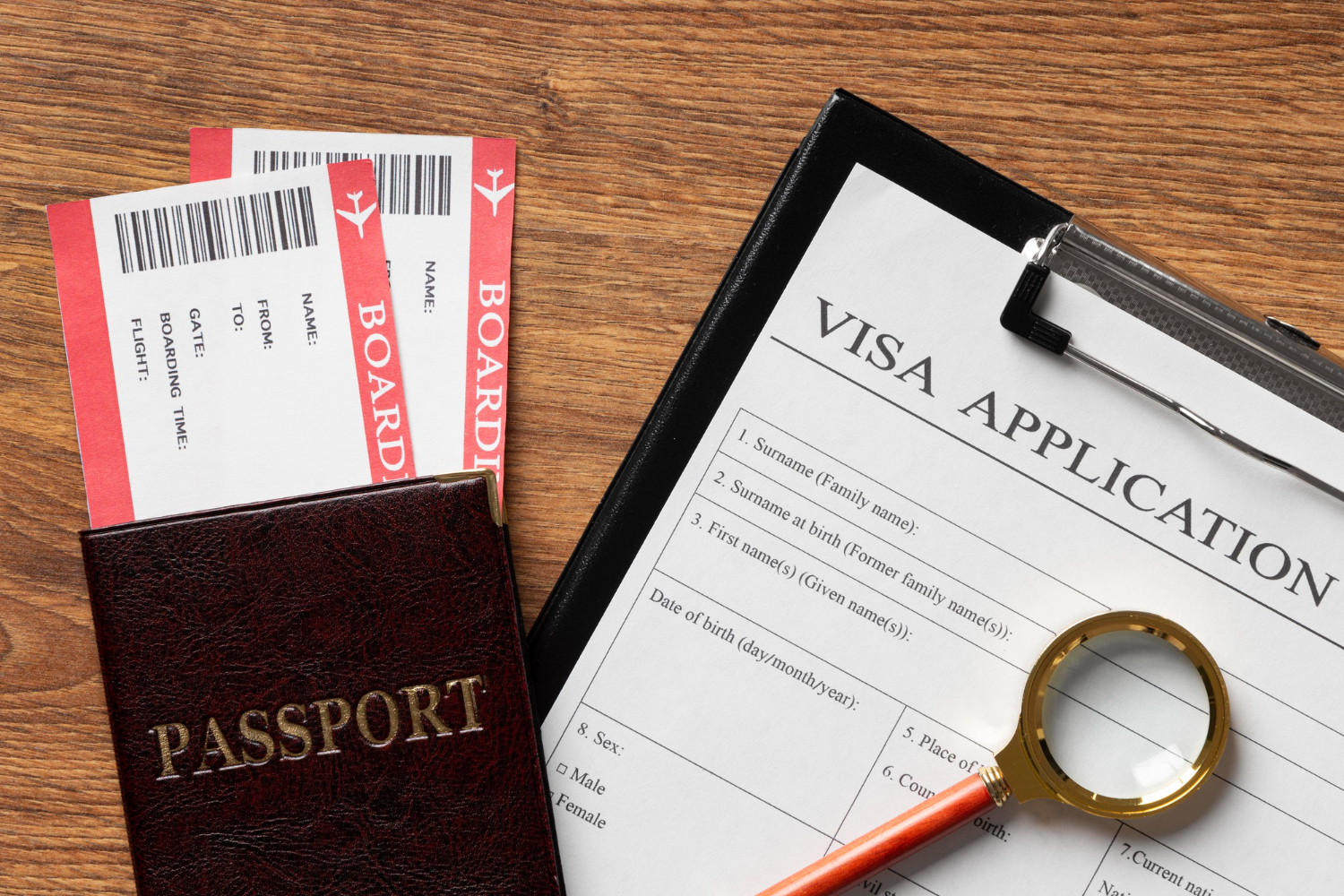
How to Handle Visas and Entry Procedures for Different Countries in 2025
In the modern travel era of 2025, securing the right visa and understanding entry procedures has become as essential as booking flights or accommodation. With constantly changing immigration laws, the rise of electronic visa systems, and the increase in multi-destination trips, it’s crucial for travelers to know the exact official requirements of each country they plan to visit. Neglecting this step can lead to delays or denied entry, while proper planning ensures a smooth and secure start to your journey.
Most Common Visa Types and What You Need for Each
Tourist visas are the most common, allowing entry for a limited period of leisure or sightseeing. Study visas grant longer stays and require university acceptance and health insurance. Work visas often demand employment contracts or official invitations. In recent years, electronic visas (eVisas) have emerged, letting travelers apply online and upload required documents without visiting an embassy. Knowing which visa fits your purpose is the first step toward a successful trip.
Practical Steps to Obtain a Visa Easily in 2025
Start by checking the official embassy or consulate website for updated visa requirements, as regulations can change frequently. Prepare all required documents, such as a passport valid for at least six months, photos meeting the specified criteria, proof of hotel bookings and flight tickets, your travel itinerary, and vaccination certificates if needed. Submit your application weeks or even months in advance, especially during peak seasons or for complex visas like work or study. Track your application online through official platforms and don’t wait until the last minute.
Advanced Tips to Smooth Entry Procedures Upon Arrival
– Keep both paper and digital copies of your passport, visa, flight tickets, and hotel bookings on your phone and in your email.
– Be ready with clear, simple answers when immigration officers ask about your reason for travel, duration of stay, or next destinations.
– Familiarize yourself with customs laws and prohibited items in your destination country to avoid confiscation or fines.
– Some countries require proof of health insurance or sufficient funds for your stay; have these documents ready as well.

Visas in the Age of Technology 2025
Many countries have introduced innovative systems to make entry easier, such as “visa on arrival” obtained at airports or ports, and electronic visas stored on your phone and shown as a QR code upon arrival. Some countries have launched official apps that allow you to track and update your application, receive real-time notifications, and even pay fees electronically. These improvements have reduced paperwork and sped up procedures but don’t replace the need to understand the exact conditions before traveling.
Real-World Examples from Different Regions
– The Schengen Area: One visa grants access to 27 European countries but requires proof of accommodation, travel insurance, and a clear itinerary.
– Southeast Asia: Many countries like Thailand and Malaysia offer quick eVisas, while others grant visas on arrival for short stays.
– North America: Requires visas or electronic travel authorizations such as ESTA for the US and eTA for Canada, with specific security conditions.
How Proper Visa Planning Enhances the Travel Experience
Handling visas properly gives you a seamless start to your journey and saves you time and stress upon arrival. Smooth entry into your destination country sets a positive tone for your trip and lets you focus on exploring and enjoying activities rather than worrying about paperwork and procedures. In 2025, being aware of these details has become a hallmark of smart travelers who want hassle-free trips.
